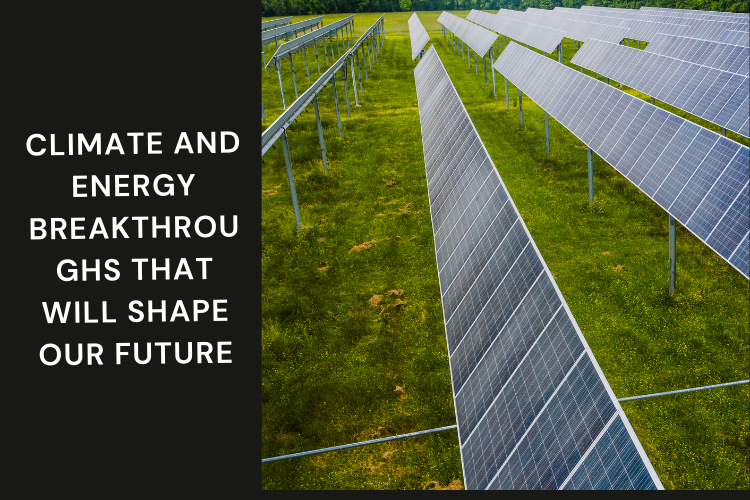
The world is standing at a crossroads, and Malta Journal is here to reveal the secrets that no one is talking about when it comes to climate and energy in 2025. While mainstream conversations focus on “going green” and promoting solar panels or electric cars, the truth is much deeper and far more urgent.
Energy production and climate change are interconnected in ways that directly affect our economy, health, and future. If you think you know the full story, think again. The hidden truths you’ll discover here might just change how you see the world.
More Related: Shocking Climate and Energy Secrets Everyone Must Know
The Unseen Climate Crisis of 2025
Faster-Than-Expected Global Warming
Scientists warned us about rising temperatures decades ago, but what we’re seeing now is worse than their models predicted. Record-breaking heatwaves in 2025 have led to agricultural losses, water shortages, and climate-driven migration in several countries.
Extreme Weather as the New Normal
Hurricanes, floods, and droughts are becoming more frequent and more intense. What was once considered a “100-year storm” now happens every few years. These weather extremes are costing nations billions and pushing communities to their limits.
The Real Energy Problem No One Talks About
Fossil Fuels Still Rule
Despite the rise of renewables, over 80% of global energy still comes from oil, coal, and gas. The energy transition is slower than most people realize, and that delay means more greenhouse gas emissions entering the atmosphere every year.
The Price of Cheap Energy
Energy is cheap because its true costs are hidden. The health costs of air pollution, the destruction of ecosystems, and the displacement of millions due to climate disasters are rarely factored into the price we pay for electricity or gasoline.
Surprising Innovations Reshaping Energy
Carbon Capture Technology
Carbon capture and storage (CCS) is one of the most promising solutions of 2025. These systems trap carbon dioxide before it can reach the atmosphere, potentially reversing decades of damage. However, the technology is still expensive and limited in scale.
The Rise of Energy Storage
Energy storage solutions like advanced lithium-ion batteries and green hydrogen are transforming renewable energy. They solve the biggest problem of solar and wind — intermittency allowing clean power to be stored and used when the sun isn’t shining or the wind isn’t blowing.
The Economic Impact of Climate and Energy
Green Jobs Boom
2025 is seeing a massive surge in green jobs. From engineers designing wind turbines to technicians maintaining solar grids, entire industries are being built around sustainability. This shift is creating millions of jobs worldwide and revitalizing struggling economies.
The Hidden Cost of Doing Nothing
If we fail to act, the cost of climate inaction will dwarf the cost of green investments. Property damage from natural disasters, healthcare costs from pollution, and disruptions to global trade are already costing trillions annually.
Political and Corporate Secrets
Lobbying Power of Fossil Fuels
Fossil fuel companies spend billions lobbying against strict environmental regulations. This means that even as nations promise to cut emissions, policies often favor corporate profits over real climate action.
Greenwashing in 2025
Many corporations market themselves as “eco-friendly” while continuing to rely on dirty energy sources behind the scenes. This form of greenwashing misleads consumers into thinking real progress is being made when it’s not.
Lifestyle Choices That Truly Matter
Rethinking Your Diet
Agriculture is one of the largest contributors to methane emissions. By eating less meat and more plant-based foods, individuals can significantly reduce their carbon footprint without waiting for governments to act.
Smarter Energy Use at Home
Energy efficiency is a powerful tool. Using LED lights, insulating your home, and investing in smart thermostats can reduce energy consumption and lower monthly bills.
Technology and AI Leading the Fight
AI-Powered Climate Models
Artificial intelligence now helps scientists predict extreme weather, identify carbon-heavy industries, and optimize renewable energy grids. These insights are helping nations respond faster to crises.
Digital Tracking of Emissions
Satellite technology allows real-time tracking of emissions, exposing countries and corporations that fail to meet climate pledges. This transparency is forcing accountability like never before.
The Human Side of Climate Change
Climate Anxiety
Millions of people feel anxious about the state of the planet. Psychologists warn that climate anxiety can be paralyzing, but taking action even small actions helps individuals feel empowered and hopeful.
Climate Migration
As sea levels rise and droughts worsen, climate migration is expected to displace hundreds of millions of people by 2050. This will create political, social, and humanitarian challenges worldwide.
The Global Energy Transition
The Hydrogen Revolution
Hydrogen is becoming the clean fuel of the future. In 2025, countries are investing heavily in hydrogen infrastructure to decarbonize heavy industries like steel and shipping.
Decentralized Energy Systems
More communities are moving toward microgrids and decentralized power systems, allowing them to generate and store their own energy independently of national grids.
FAQs
What is the biggest climate issue in 2025?
The biggest issue is the speed of global warming and its connection to energy consumption. Fossil fuels remain the dominant energy source, which accelerates the climate crisis.
Are renewables enough to save the planet?
Renewables are crucial, but we also need energy storage, carbon capture, and major policy changes to truly shift toward a sustainable future.
How do individual actions make a difference?
Every choice counts. Reducing energy use, voting for climate-conscious leaders, and supporting sustainable products collectively create big impacts.
Why are fossil fuels still dominant?
They remain cheap, abundant, and deeply integrated into global infrastructure. Transitioning away requires massive investment and political will.
Can technology solve climate change?
Technology is a powerful tool, but it must be paired with behavioral change, strong policy, and global cooperation.
Conclusion
The hidden truth about climate and energy in 2025 is that the world is in a race against time. maltajournal believes that exposing these realities is the first step toward real change. The solutions exist, the technology exists, and the knowledge is available but collective action is what will make the difference.
From adopting renewable energy to demanding stronger policies, every individual and every nation has a role to play. The future is not set in stone. By making informed choices now, we can still build a sustainable, resilient world for generations to come.