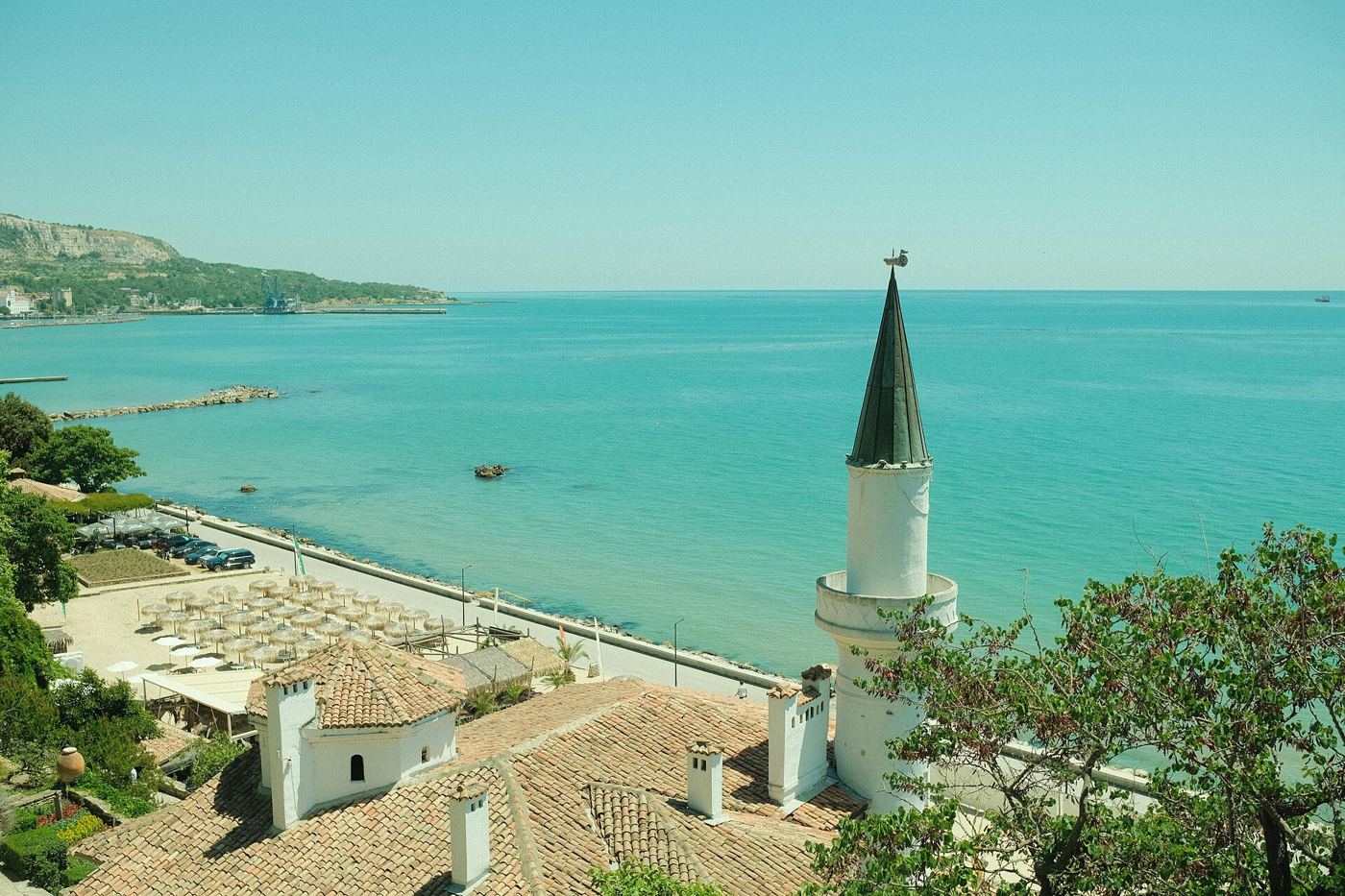
Malta has no rivers, no lakes and some of the lowest natural freshwater per person of any country on Earth. What it has is a century of engineering: the Mediterranean’s driest EU member state supplies its homes largely through seawater desalination, groundwater management and an increasingly sophisticated war on leaks. As Mediterranean summers grow hotter and longer, Malta’s water system has become a case study in adaptation under pressure.
Reverse osmosis plants now provide the majority of the island’s potable water, a dependence that makes energy prices a water issue and water an energy issue. Recent investment has targeted efficiency — newer membranes, energy recovery, and blending desalinated water with carefully managed groundwater to protect quality while sparing aquifers that were overdrawn for decades.
Fixing the invisible network
The least glamorous work may be the most valuable. Malta has driven leakage in its distribution network down to levels many larger countries envy, using district metering and pressure management to find losses that once consumed a third of production. Every litre not leaked is a litre that need not be desalinated. Analysts at bodies such as the external source cite such demand-side engineering as the cheapest climate adaptation available to dry regions.
On the ground, adaptation also looks like rainwater cisterns — long mandatory in Maltese building tradition — being rediscovered in new developments, and treated wastewater being channelled to agriculture and landscaping under the “New Water” programme. Our environment reporting, gathered in our news section, follows these projects as they scale.
A preview for the region
What Malta solves now, much of the Mediterranean will face within a generation: hotter summers, erratic rain, and tourist seasons that peak exactly when water is scarcest. The island’s answer is not a single technology but a portfolio — desalination, reuse, leakage control and pricing that discourages waste.
Households are part of the engineering now. Malta’s building traditions always treated rain as an asset — cisterns beneath houses were standard long before sustainability had a name — and planning rules have revived the practice for new developments. Smart meters are extending the logic indoors, showing families their consumption in near-real time; utilities report that the mirror effect alone trims demand by percentages no campaign achieved.
The island also exports its lesson. Engineers from larger, wetter countries that once pitied Malta’s scarcity now tour its plants, because climate projections are converting their own relative abundance into seasonal stress. The Mediterranean’s driest state spent a century learning to live within its water means; the queue of students is a measure of how the century is turning.
Water security rarely makes headlines until it fails. Malta’s achievement is making it boring — taps that run, bills that are manageable, and a system quietly rebuilt for a hotter century. More environment stories are at our homepage.