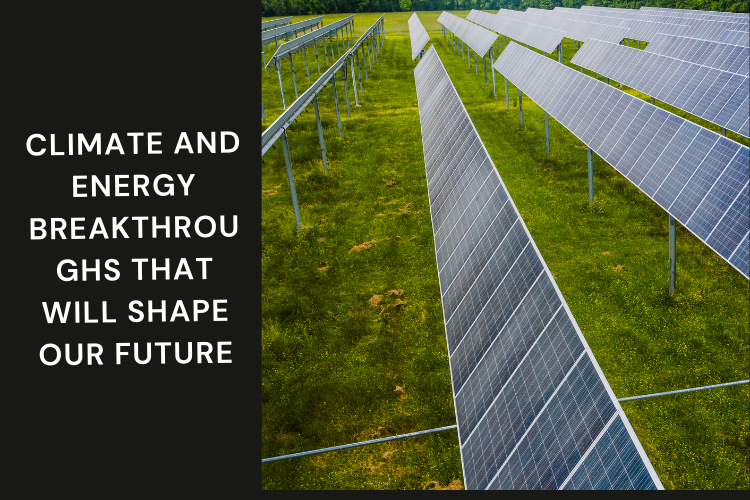
In a world where headlines scream about climate change every day, Malta Journal is here to take you beyond the noise and reveal the unbelievable climate and energy trends you need to know in 2025.
What you think you know about energy transition, global warming, and sustainability may only be half the story. Beneath the surface lies a world of hidden data, surprising solutions, and shocking consequences that will reshape the way you see the planet’s future.
This article will walk you through the most astonishing revelations about climate change, the energy industry, and the global response to this challenge all backed by science, technology, and real-world examples that matter to you.
More Related: The Hidden Truths of Climate and Energy Challenges 2025
The Climate Crisis Is Accelerating
Unprecedented Heatwaves and Weather Events
2025 has seen record-breaking temperatures across every continent, with heatwaves so extreme that major cities have introduced emergency cooling shelters. These events are not random they are linked directly to human-driven greenhouse gas emissions that trap heat in the atmosphere.
The Rise of Mega-Storms
Hurricanes, typhoons, and floods have become stronger and more destructive. Insurance companies are warning that entire regions may soon be “uninsurable” due to the frequency of billion-dollar disasters.
The Energy Transition — Slower Than You Think
Fossil Fuels Still Dominating
Even with all the hype around renewable energy, over 80% of global energy demand is still being met by fossil fuels. This means we are emitting billions of tons of CO₂ annually, pushing the planet closer to dangerous climate tipping points.
The True Cost of Energy
What we pay for electricity and gasoline does not reflect the true cost to society. Air pollution leads to millions of premature deaths each year, and climate-related disasters destroy infrastructure and livelihoods — costs we all ultimately pay through higher taxes, health care, and insurance premiums.
The Renewable Revolution’s Hidden Challenges
Solar and Wind Are Not Perfect
While renewable energy is essential, solar panels and wind turbines require rare earth materials, whose mining can harm ecosystems. Recycling these components after their 20-30 year lifespan is also a growing challenge.
The Storage Problem
Clean energy production is intermittent — the sun doesn’t shine at night, and the wind doesn’t always blow. 2025 has seen major breakthroughs in battery technology, including solid-state batteries and large-scale hydrogen storage, but deployment still lags behind demand.
Economic Implications of Climate & Energy
Green Jobs Are Skyrocketing
The renewable energy sector is one of the fastest-growing industries in the world, employing millions of workers in solar installation, wind maintenance, and battery manufacturing. This green economy boom is reshaping global labor markets and offering opportunities in sustainable careers.
The Cost of Climate Inaction
Experts estimate that unchecked climate change could wipe out up to 18% of global GDP by 2050. Rising sea levels, destroyed farmland, and mass migration are already stressing economies and creating new financial risks.
Politics, Power, and Corporate Influence
The Fossil Fuel Lobby
Oil and gas companies continue to spend billions lobbying against strict emissions regulations. This slows down the energy transition and keeps the world reliant on fossil fuels for longer.
Greenwashing Exposed
Some corporations claim to be “carbon neutral” but rely on buying questionable carbon offsets instead of cutting emissions. 2025 has seen a wave of investigations into corporate climate claims, exposing which companies are truly walking the talk.
Technology Leading the Fight
AI-Powered Climate Predictions
Artificial intelligence is revolutionizing climate science by creating ultra-precise weather models, predicting heatwaves, and helping cities prepare for disasters. AI also helps optimize energy grids, reducing waste and maximizing efficiency.
Carbon Capture and Direct Air Removal
In 2025, new carbon capture plants are pulling CO₂ directly from the air at a scale never seen before. While still expensive, this technology offers hope that we can actively reverse some of the damage already done.
Lifestyle Choices That Truly Make a Difference
The Power of Food Choices
Shifting to plant-based meals a few days a week can significantly lower your carbon footprint. Livestock farming contributes more greenhouse gases than the entire transportation sector combined.
Smarter Transportation
Choosing public transit, carpooling, or electric vehicles cuts emissions dramatically. Cities are investing heavily in bike lanes and clean buses, making it easier for individuals to travel sustainably.
Human and Social Impacts
Climate Migration Is Growing
Rising seas and desertification are forcing millions to relocate. Countries are now preparing policies to handle the influx of “climate refugees,” a challenge that will grow throughout the century.
Mental Health and Climate Anxiety
Climate anxiety is real — especially among younger generations. Experts say that action is the best antidote: getting involved in local sustainability efforts helps turn fear into empowerment.
The Future of Energy
The Hydrogen Revolution
Green hydrogen, produced using renewable energy, is emerging as a clean alternative for industries like shipping, aviation, and steelmaking. In 2025, several major nations launched large-scale hydrogen projects to reduce dependence on fossil fuels.
Decentralized Microgrids
Communities are creating their own power systems, reducing reliance on centralized grids. These microgrids improve energy security and resilience during extreme weather events.
FAQs
What is the biggest climate challenge in 2025?
The main challenge is reducing dependence on fossil fuels quickly enough to prevent catastrophic warming. Global emissions are still too high, despite growth in renewables.
Are renewables really better for the planet?
Yes, over their lifetime they emit far less carbon than fossil fuels, though they still require energy and resources to produce. The key is developing better recycling systems and cleaner supply chains.
Do individual actions really matter?
Absolutely. Consumer demand drives markets. Choosing renewable energy providers, reducing waste, and voting for climate-conscious policies all make a real difference.
Why aren’t governments doing more?
Many governments face pressure from powerful fossil fuel industries, economic constraints, and political opposition. Change is happening, but it’s not fast enough.
Can technology alone solve climate change?
No. Technology is vital, but behavioral change, strong policies, and global cooperation are equally important to achieve net-zero emissions.
Conclusion
The unbelievable climate and energy trends of 2025 show us that we are living in a time of both crisis and opportunity. Malta journal believes that revealing these hidden truths is the first step to meaningful action. The choices we make today from the energy we consume to the leaders we elect will determine whether we create a sustainable, thriving planet or one marked by disaster and loss.
The world is not doomed, but it is at a turning point. By embracing renewable technology, demanding accountability from corporations, and making smarter individual choices, we can steer toward a future where energy is clean, communities are resilient, and the climate is stable. The time to act is now — because tomorrow may be too late.