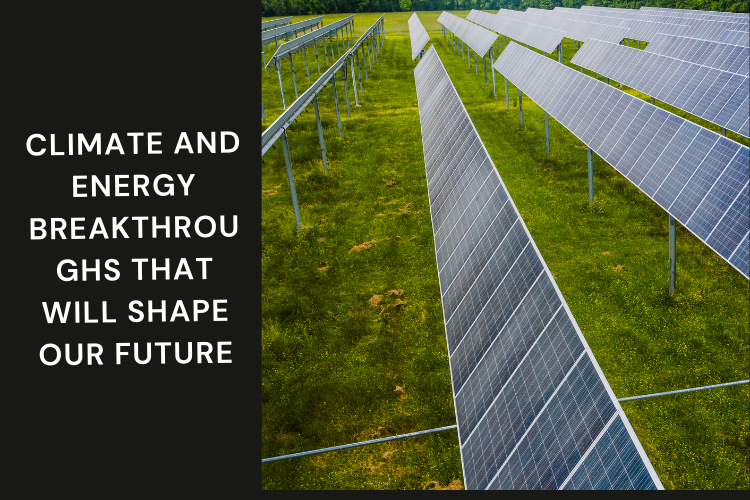
The world is entering a turning point, and Malta journal is here to reveal the game-changing climate and energy breakthroughs that are shaping 2025 and beyond. While the headlines are filled with warnings about rising sea levels and extreme weather, there’s another side to the story, one filled with innovation, technology, and solutions that could transform how we power our lives.
This article dives deep into the most groundbreaking discoveries in climate science and energy, explores what they mean for the planet, and explains how they can change the future of humanity. Get ready to be surprised, inspired, and motivated to take action.
More Related: Unbelievable Climate and Energy Trends Finally Exposed
The Urgency of Climate Action
The Reality of 2025
Global temperatures are now around 1.3°C higher than pre-industrial levels, putting us dangerously close to the 1.5°C threshold scientists warn could trigger irreversible damage. This has led to record-breaking heatwaves, wildfires, and flooding in many parts of the world.
The Tipping Points We Must Avoid
Researchers warn that certain climate tipping points such as the collapse of the Greenland ice sheet or the dieback of the Amazon rainforest could set off chain reactions that accelerate warming even further. Avoiding these events is critical for the planet’s stability.
Energy Innovations Transforming the World
The Rise of Green Hydrogen
Green hydrogen, created by splitting water using renewable energy, is now one of the most promising tools in decarbonizing heavy industries like shipping, aviation, and steel production. In 2025, several major nations have invested billions into building hydrogen infrastructure.
Breakthroughs in Battery Technology
Energy storage has been one of the biggest challenges in renewable energy adoption. New solid-state batteries and large-scale grid storage solutions are solving this problem, making solar and wind power reliable even during cloudy days or calm nights.
Surprising Climate Solutions
Direct Air Capture Machines
Companies are now building massive facilities that literally pull carbon dioxide out of the atmosphere. These “carbon vacuum cleaners” are expensive, but prices are dropping, and they could help remove billions of tons of CO₂ by mid-century.
Smart Agriculture
Farmers are adopting AI-driven techniques that reduce water waste, optimize fertilizer use, and even capture carbon in the soil. This not only fights climate change but also ensures food security for a growing population.
The Economic Side of Climate & Energy
Green Jobs Are Booming
The renewable energy sector is creating millions of jobs worldwide — from solar panel installers to electric vehicle technicians. This is reshaping economies and giving workers a chance to be part of a cleaner future.
The Hidden Cost of Delay
Economists warn that failing to invest in climate solutions now will lead to trillions in future losses due to rising disaster costs, health impacts from pollution, and infrastructure damage caused by extreme weather.
Politics and Global Cooperation
International Climate Agreements
In 2025, countries are working on strengthening their commitments beyond the Paris Agreement. More ambitious targets and stricter monitoring are being put in place to hold governments accountable for reducing emissions.
The Battle Against Greenwashing
Companies that exaggerate their environmental efforts are facing greater scrutiny. Regulators are cracking down on misleading marketing, forcing corporations to back up their “sustainability” claims with real data.
How Technology Is Changing the Game
Artificial Intelligence and Climate Modeling
AI is being used to create ultra-precise weather forecasts, track emissions in real time, and predict which areas are most at risk of disasters. These insights are helping cities plan better and save lives.
Smart Grids and Energy Efficiency
Smart grids are revolutionizing how electricity is delivered, reducing waste and automatically routing power to where it’s needed most. Combined with smart homes, these systems are cutting energy use dramatically.
The Role of Everyday Choices
Food and Lifestyle Changes
Eating more plant-based meals, reducing food waste, and choosing locally grown produce are powerful ways to cut emissions. Agriculture is responsible for nearly a third of global greenhouse gases, so small shifts can make a big difference.
Transportation Decisions
Electric vehicles, shared mobility services, and improved public transport are helping cities reduce air pollution and dependence on oil. Many governments are now incentivizing EV purchases with tax benefits.
Human Impact and Social Change
Climate Migration
Millions are being displaced by rising seas, droughts, and wildfires. Nations are creating new policies to support climate refugees, but experts warn that this will be one of the biggest humanitarian challenges of the century.
Mental Health and Climate Action
More people are experiencing climate anxiety, but experts say action is the best cure. Participating in community projects, joining advocacy groups, and living sustainably can turn worry into empowerment.
The Future Outlook
The Hydrogen Economy Is Growing
Hydrogen-powered vehicles, planes, and even shipping vessels are being tested globally. This could drastically reduce emissions from industries that are hard to electrify.
Decentralized Energy Systems
Microgrids and community-owned power systems are becoming more common, giving neighborhoods more control over their energy supply and improving resilience during blackouts and storms.
FAQs
What is the most important climate breakthrough in 2025?
The expansion of green hydrogen and breakthroughs in energy storage are considered the most crucial advancements, as they allow for a larger share of renewable energy in the grid.
Are renewables really enough to power the world?
Yes, but they require large-scale investment in energy storage and smart grids to make them reliable. The world is moving toward that goal, but it will take sustained effort.
How can individuals help fight climate change?
Individuals can reduce energy use, switch to renewable energy where possible, adopt sustainable diets, and vote for leaders who prioritize climate action.
Why are fossil fuels still widely used?
They remain cheap, abundant, and deeply embedded in the global economy. The transition is happening, but it takes time and massive infrastructure investment.
Can technology alone solve the climate crisis?
Technology is vital, but it must be paired with strong policies, corporate responsibility, and lifestyle changes to achieve a true net-zero future.
Conclusion
The climate and energy breakthroughs of 2025 are proof that the world is not standing still in the face of crisis. maltajournal believes that understanding these innovations is the first step to building a sustainable, secure future. From hydrogen power to AI-driven climate predictions, the solutions are here but the world must act fast to deploy them at scale.
The next decade will determine the fate of our planet. By supporting clean energy, demanding corporate accountability, and making conscious personal choices, we can turn this moment of uncertainty into a turning point for humanity. The power to change the future is literally in our hands and the time to use it is now.